The Best Hairstyles for Thin Hair (With Volume Tips)
Thin hair doesn’t mean you’re stuck with flat, lifeless locks. You can transform your fine strands into a voluminous masterpiece with the right cut and styling approach.
The secret lies in choosing hairstyles that work with your hair’s natural texture rather than against it.
Smart layering, strategic length choices, and clever styling techniques can create the illusion of thickness and body.
Your thin hair journey starts with understanding what works best for your specific hair type and face shape. Ready to discover your perfect voluminous look?
The Power of Layered Cuts
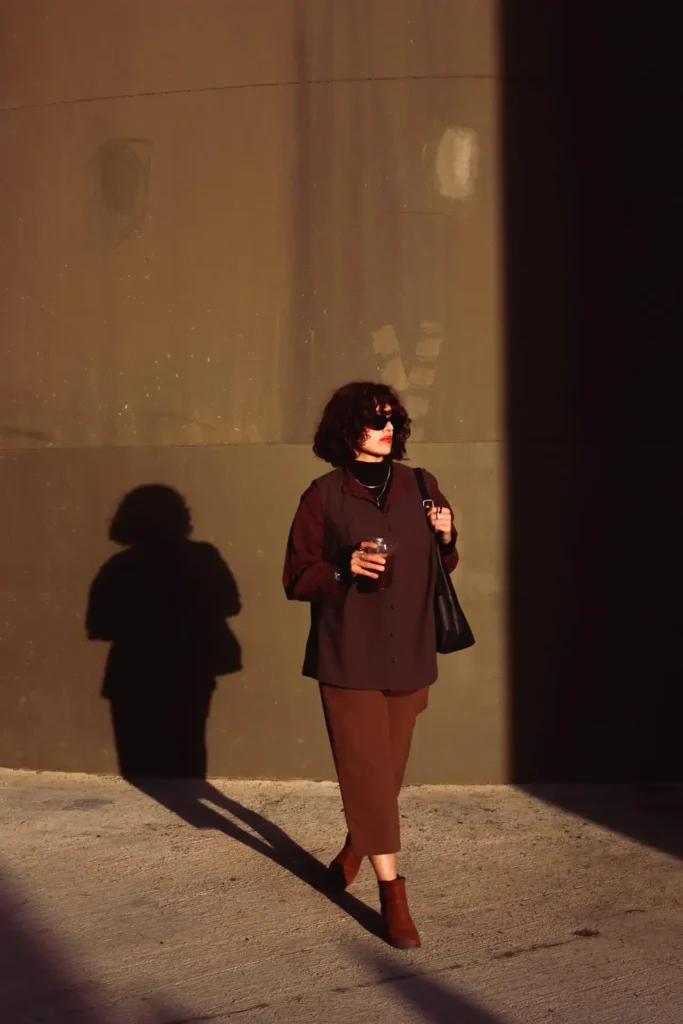
Layered hairstyles work magic on thin hair by creating movement and dimension.
When you add layers throughout your hair, you’re essentially removing weight that pulls your strands down.
This reduction in weight allows your hair to lift naturally at the roots, giving you that coveted volume.
Long layers work particularly well if you want to maintain length while adding body.
Your stylist should cut these layers starting around your collarbone, gradually getting shorter as they move up toward your crown.
This technique creates a cascading effect that makes your hair appear fuller and more dynamic.
Medium-length layered cuts offer the perfect balance between manageability and volume.
You get the benefits of layers without the maintenance challenges that come with very short styles.
The key is ensuring your layers aren’t too choppy or dramatic, which can actually make thin hair look stringy.
Face-framing layers deserve special attention because they add instant lift around your most important feature.
These shorter pieces around your face create movement and help your overall style appear more voluminous.
Your stylist should cut these layers to complement your face shape while enhancing your hair’s natural body.
Bob Hairstyles That Add Volume
The classic bob remains one of the most flattering cuts for thin hair, but you need the right variation to maximize volume.
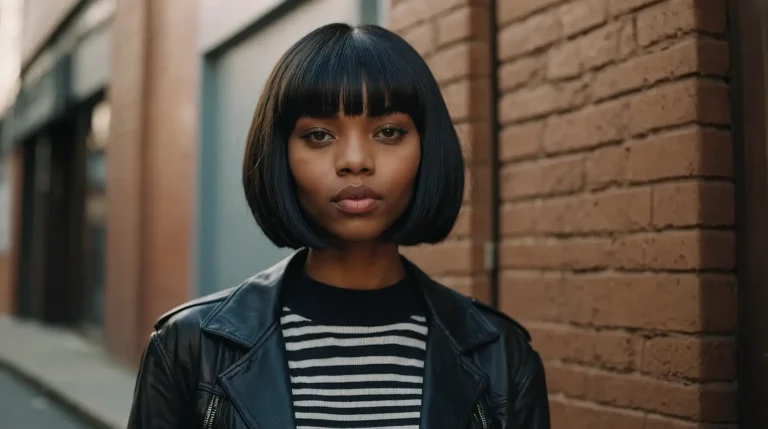
A blunt bob might seem counterintuitive, but it actually creates the illusion of thickness by maintaining one solid line.
This technique tricks the eye into seeing more density than actually exists. You can wear it sleek for professional settings or tousle it for casual occasions.
Angled bobs work wonderfully for thin hair because they remove bulk from the back while keeping length in the front.
This asymmetrical approach creates natural lift at the crown and gives you versatility in styling.
The inverted bob takes the angled concept further by stacking layers in the back. This creates incredible volume at your crown while maintaining a polished, sophisticated look.
The shorter back layers literally push up against each other, creating natural lift that lasts all day.
A-line bobs offer a gentler approach to volume creation. The subtle angle from back to front creates movement without being too dramatic.
This style works especially well if you’re transitioning from longer hair or want something low-maintenance yet stylish.
Textured bobs incorporate subtle layers and razored ends to create piece-y definition.
This modern approach to the classic bob adds visual interest and makes thin hair appear thicker through strategic texture placement.
Pixie Cuts for Maximum Impact
Short pixie cuts can be incredibly flattering for thin hair because they eliminate the weight that pulls longer styles down.
When you go short, every strand has the opportunity to stand up and create volume. The key is choosing a pixie variation that suits your face shape and lifestyle.
Layered pixies work by creating multiple levels of hair that stack upon each other. The layers should be subtle enough to blend seamlessly while providing maximum lift.
Your stylist should focus on creating texture throughout the cut, ensuring no area appears flat or lifeless.
Side-swept pixies add instant glamour while creating the illusion of thickness. Tousled pixies embrace a more casual, lived-in look that’s perfect for thin hair.
The longer pieces swept to one side create asymmetrical interest, while the shorter sections underneath provide natural lift. This style requires minimal styling but delivers maximum impact.
The key is having your stylist create varying lengths throughout the cut, then using texturizing products to enhance the natural movement.
This approach makes thin hair look intentionally piece-y rather than sparse. Long pixies offer a compromise between short and medium-length styles.
You get the volume benefits of a shorter cut while maintaining enough length for versatility.
This style works particularly well if you have fine hair that tends to get weighed down at longer lengths.
Beach Waves and Textured Styles

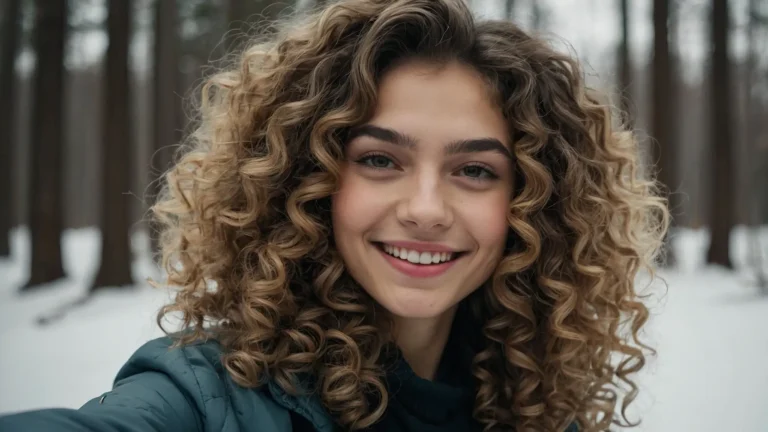
Beach waves create incredible volume for thin hair by adding width and movement to your natural texture.
The key is creating waves that appear natural and effortless rather than overly structured. This technique works by bending your hair shaft, which makes each strand take up more space.
The scrunching method works wonderfully for fine hair because it encourages your natural texture without adding weight.
Start with damp hair, apply a volumizing mousse, then scrunch sections upward while blow-drying with a diffuser. This technique creates soft, voluminous waves that last all day.
Braided waves offer another approach to creating texture in thin hair. Braid slightly damp hair before bed, then unravel in the morning for soft, voluminous waves.
This heatless method is gentle on your strands while creating beautiful texture and body. Salt spray becomes your best friend when creating beachy texture.
The minerals in quality salt sprays help separate your hair strands and create grip, making thin hair appear thicker and more textured. Apply to damp hair and scrunch for best results.
Curling techniques for thin hair require a lighter touch than you might expect. Use a larger barrel size and don’t curl too tightly.
The goal is creating soft bends that add body rather than tight spirals that might weigh your hair down.
Root-Lifting Techniques That Work
Blow-drying technique plays a crucial role in creating volume for thin hair.
Start by applying a volumizing mousse to damp roots, then flip your head upside down while blow-drying.
This position allows gravity to work in your favor, lifting hair away from your scalp as it dries.
Round brush blow-drying creates incredible lift when done correctly. Use a medium-sized round brush and work in small sections, lifting each piece straight up as you dry.
The tension from the brush combined with heat creates lasting volume at your roots. Root-lifting sprays provide targeted volume where you need it most.
Velcro rollers might seem old-fashioned, but they’re incredibly effective for thin hair. These formulas contain polymers that coat your hair shaft and create lift as they dry.
Roll damp hair onto large Velcro rollers, focusing on your crown area. Let them set while you do your makeup, then remove for instant volume that lasts hours.
Apply these products directly to your roots on damp hair, then use your fingers to massage the product in.
Dry shampoo isn’t just for second-day hair – it’s a volume-creating miracle for thin hair. Spray it on clean, dry roots and massage it in with your fingertips.
The powder absorbs oils and creates texture that makes your hair appear thicker and more voluminous.
Strategic Color Techniques
Hair color can dramatically impact how thick your hair appears. Highlights and lowlights create depth and dimension that tricks the eye into seeing more volume.
The key is choosing colors that are close to your natural shade but different enough to create contrast.
Baby-lights work particularly well for thin hair because they create subtle dimension without harsh lines.
These ultra-fine highlights mimic the natural variation you see in children’s hair, creating soft depth that makes your hair appear fuller and more dynamic.
Root smudging techniques help blend your natural color with highlights, creating a more natural look while adding dimension.
This technique prevents harsh lines at your roots that can make thin hair appear even thinner.
Balayage offers a modern approach to creating dimension in thin hair. The hand-painted technique creates natural-looking color variation that adds depth and movement.
This method works especially well because it doesn’t require foils, which can create harsh lines on fine hair.
Glossing treatments add shine and subtle color variation that makes thin hair appear healthier and fuller.
These semi-permanent treatments smooth your hair cuticle while depositing color, creating the appearance of thicker, more lustrous hair.
Professional Styling Secrets
Sectioning becomes crucial when styling thin hair for maximum volume. This technique prevents some areas from falling flat while others have volume.
Work in smaller sections than you think you need, ensuring each piece gets proper attention during the styling process.
Temperature control matters more with thin hair than thick hair.
Use lower heat settings on your styling tools to prevent damage while still achieving your desired look. Damaged thin hair appears even thinner, so protection is key.
Product layering creates the best results for thin hair. Each product serves a specific purpose in your volume-building routine.
Start with a volumizing shampoo and conditioner, add a root-lifting spray, follow with a volumizing mousse, and finish with a light-hold hairspray.
Timing your styling routine makes a significant difference in results. Style your hair when it’s about 80% dry for best volume results.
Completely wet hair is too heavy, while completely dry hair won’t hold the style as well. Professional tools make styling thin hair easier and more effective.
Invest in a high-quality blow dryer with multiple heat and speed settings, plus attachments designed for volume creation. Quality tools last longer and produce better results.
Maintenance and Care Tips

Washing frequency affects volume in thin hair more than you might realize. Most people with thin hair benefit from washing every other day or every two days.
Over-washing strips natural oils that provide body, while under-washing creates buildup that weighs hair down.
Conditioning technique requires adjustment for thin hair. Focus conditioner on your mid-lengths and ends, avoiding your roots entirely.
Root conditioning can weigh down fine hair and reduce natural volume. Regular trims maintain the shape and health of your volumizing cut.
Heat protection becomes even more important with thin hair because damage shows more readily.
Always apply a heat protectant spray before using any hot styling tools, and try to limit heat styling to every other day when possible.
Schedule appointments every 6-8 weeks to keep your layers fresh and prevent split ends from traveling up your hair shaft. Damaged ends make thin hair look even thinner.
Nighttime protection helps maintain your daytime volume. Sleep on a silk or satin pillowcase to reduce friction, or wrap your hair in a silk scarf.
These materials create less friction than cotton, helping preserve your style while you sleep.
Conclusion
Transform your thin hair into a voluminous masterpiece with the right cut, styling techniques, and products.
Embrace layers, master root-lifting methods, and choose styles that work with your natural texture for beautiful, full-looking hair.